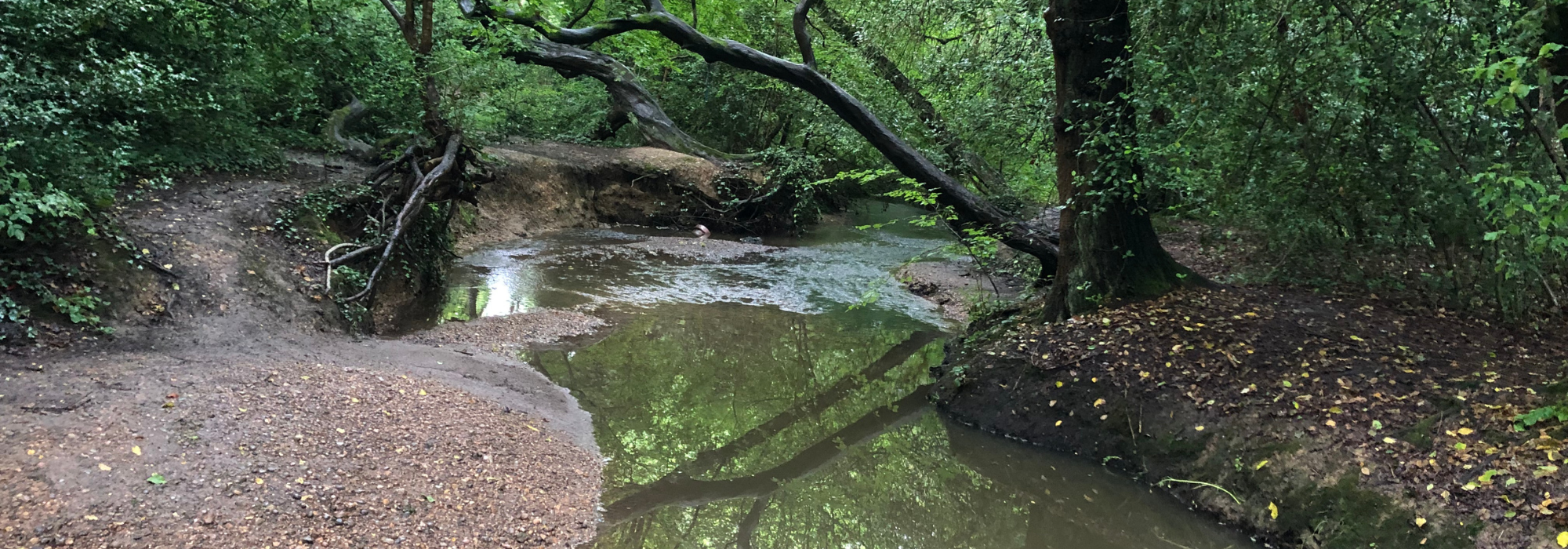
Rare wildlife discovered in River Ching and River Lea surveys led by local communities
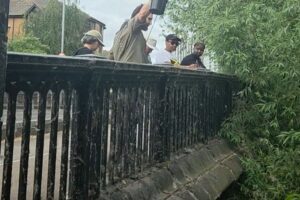
Environmental charity Thames21 has funded a survey revealing a diverse range of wildlife in the River Ching, including the critically endangered European eel and the unusual Peach Blossom jellyfish. The findings also highlight evidence of wastewater pollution and barriers that restrict fish movement.
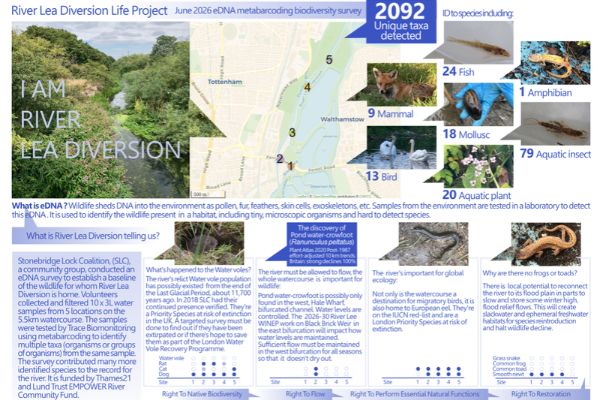
The results add to discoveries from a separate survey by the Stonebridge Lock Coalition, also funded by Thames21, which detected more than 2,000 unique species in the 5.5km River Lea Diversion, including 24 fish species and the rare Pond water-crowfoot (Ranunculus peltatus).
As part of Thames21’s EMPOWER Rivers* programme, these surveys demonstrate how communities can take the lead in understanding and protecting their local rivers. Funded by the Lund Trust, the five-year programme supports communities to build the skills, evidence and influence needed to improve river health. By working with scientific specialists to monitor wildlife, identify pollution and uncover barriers to biodiversity, local volunteers are generating vital evidence to drive restoration and secure long-term improvements for London’s rivers.
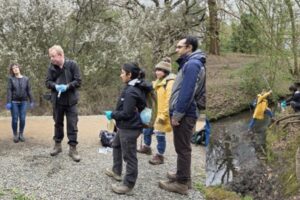
In March 2026, volunteers from the Ching Action Group collected water samples from six locations along the River Ching, which flows for around 10km through east London before joining the River Lea. Scientists at Trace Biomonitoring analysed the samples using environmental DNA (eDNA), a technique that identifies wildlife from traces of genetic material in water.
The survey identified 1,885 unique species, including 12 fish species, four native amphibian species, 22 bird species and 16 mammal species.
Among the most significant discoveries was the European eel (Anguilla anguilla). Eel DNA was detected more frequently in the lower reaches of the river, with detections falling sharply further upstream. The results suggest that Falmouth Avenue Weir may be restricting fish movement and access to suitable habitats.
The survey also detected the Peach Blossom jellyfish (Craspedacusta sowerbii). DNA from Atlantic cod and tuna was found too, raising questions about potential sources of food waste or wastewater entering the river. Further investigation is needed to establish the sources.
The findings also revealed differences in river health, with indicators of cleaner freshwater habitats in upper stretches and greater evidence of organic enrichment and wastewater-related pollution further downstream.
Thames21’s EMPOWER Rivers Programme Manager, Sam Bentley-Toon, said: “The River Ching has a fantastic story to tell. The group’s eDNA survey has revealed a diverse freshwater ecosystem, including the critically endangered European eel and the unusual Peach Blossom jellyfish, while also highlighting the pressures facing urban rivers.
“The unexpected detection of Atlantic cod DNA raises important questions about wastewater and food waste entering the river. By working with local communities and scientific partners, we can use this evidence to identify problems, target restoration and give wildlife a better chance to thrive.”
Ching Action Group Co-Lead, Natasha Furlong, said: “It’s been really fascinating to see the wide range of species even a small urban river like the Ching can support. We, and the wider community, are particularly thrilled that eels are still present in the lower reaches and we’re looking forward to using this data to support our case for improvement projects across the river.”
Stonebridge Lock Coalition’s Mariam Turay added: “I was interested to see that the common toad, frogs and grass snake were not detected in the eDNA samples. These findings can help us identify which species may need greater support and guide efforts to restore the River Lea Diversion and improve wetland habitats on our marshes.”
Overall, the findings will help inform future monitoring and restoration, including investigating pollution sources, improving habitats and addressing barriers to fish migration. Together, the surveys highlight the importance of community-led science in building knowledge and driving action to protect London’s urban rivers.
ENDS
————————————————————————————————————–
About Thames21
Thames21 is an environmental charity that works with communities to restore and look after rivers, water and nature across London and the Thames Basin.
www.thames21.org.uk | Registered Charity No. 1103997
Notes to editors
- Read full River Ching eDNa report in link here
- Read full River Lea Diversion eDNA report here
*EMPOWER Rivers is a five-year Thames21 programme funded by the Lund Trust, strengthening how communities care for London’s rivers. Through training, small grants, volunteer-led monitoring and four major restorations, the programme will build local skills, evidence and influence to drive long-term river health improvements across London.
- Stonebridge Lock Coalition Director Frances Dismore stated: “Stonebridge Lock Coalition is concerned that its survey did not detect water voles in the River Lea Diversion. This corroborates the findings of its annual water vole field surveys in recent years, as well as those for the London Lea, recently published in the updated London Water Vole Recovery Action Plan. The London Lea’s water voles constitute the city’s most inland water vole population.”
Media Contacts
Liz Gyekye
Communications Manager
Manuela Rio Tinto
Communications Officer
Manuela.rio-tinto@thames21.org.uk