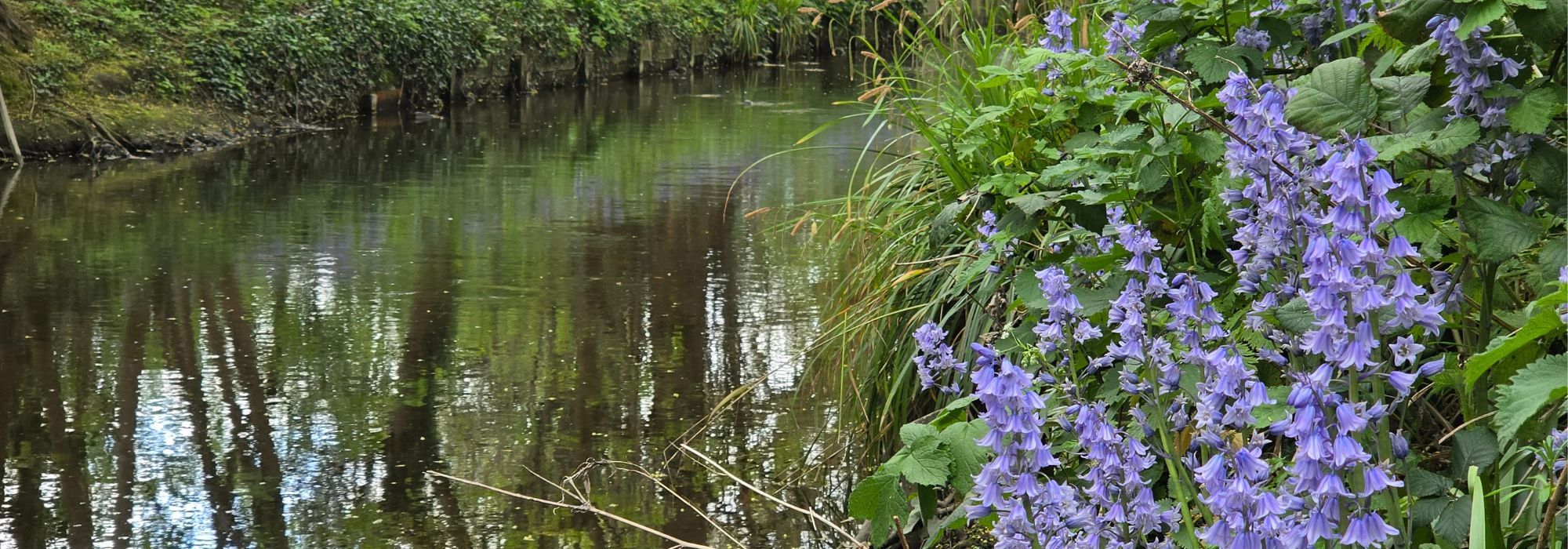
Restoring the River Ravensbourne in Ladywell Fields
A Healthier, Wilder River for Everyone
The River Ravensbourne in Ladywell Fields has secured funding from the London Borough of Lewisham for a new phase of restoration. This work will enhance biodiversity, improve habitat quality and strengthen the river’s resilience to climate change.
The project will include removing old toe‑boarding, increasing light levels through selective tree works, installing large woody material to create more varied flow, reshaping banks to form natural margins, and improving riparian (waterside) vegetation. Together, these changes will help the river behave more naturally and support a richer range of wildlife.
Why Ladywell Fields Matters
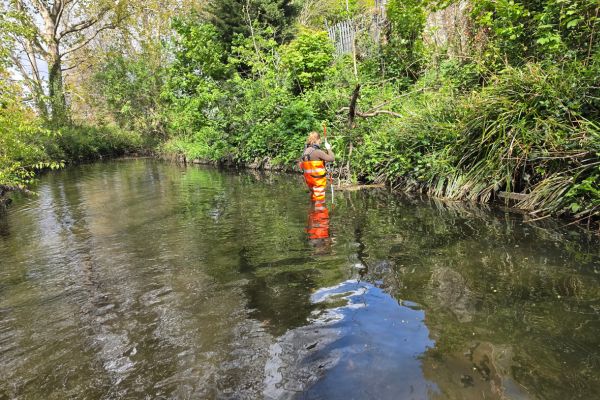 Ladywell Fields is one of Lewisham’s most valued green spaces, with the Ravensbourne running right through the heart of the park. The river provides a peaceful place for people to enjoy nature and forms an important ecological corridor for wildlife moving through the area.
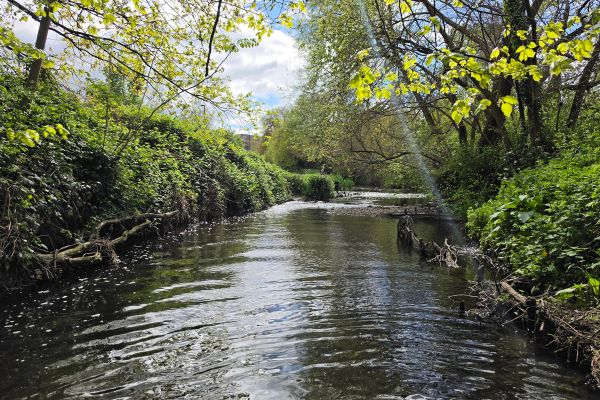
Previous improvements have opened up parts of the river, but some sections remain overshaded, physically constrained and ecologically simplified. This limits the diversity of plants and animals the river can support.
In summary:
• The river is a key ecological link through the park
• Some stretches remain overshaded and constrained
• Habitat diversity is still limited despite earlier works
The Challenges We’re Tackling
Like many urban rivers, the Ravensbourne faces long‑standing pressures. The channel has been heavily modified over time, reducing natural processes and creating uniform flow. Riparian habitats are often fragmented, and urban runoff continues to affect water quality.
Key issues include:
• A simplified channel with limited natural structure
• Degraded or disconnected riparian habitat
• Water‑quality pressures from surrounding urban areas
The restoration programme aims to address these challenges and create a more resilient, nature‑rich river corridor.
 What Is Biodiversity Net Gain (BNG)?
Biodiversity Net Gain is a national requirement that ensures projects leave nature in a measurably better state than before. It involves assessing the current biodiversity of a site, designing improvements that increase ecological value, and delivering at least a 10% uplift that is maintained for a minimum of 30 years.
At Ladywell Fields, BNG will be delivered through:
• Naturalised banks and new marginal habitat
• More varied channel structure using woody material
• Increased light to support aquatic plants
• Strengthened riparian planting and long‑term management
These improvements will be measured using the DEFRA Biodiversity Metric and secured through ongoing stewardship.
Working with the Ravensbourne Catchment Partnership
This project supports the priorities of the Ravensbourne Catchment Partnership, which aims to restore natural river processes, improve water quality, enhance green and blue infrastructure, and build climate resilience across the catchment. The improvements at Ladywell Fields contribute directly to these shared goals.
Working with the Community
Thames21 will work closely with local residents, community groups and park users throughout the project. Community involvement is central to shaping the design, delivering practical improvements and supporting long‑term care of the river.
Community involvement will include:
• Co‑designing habitat and access improvements
• Volunteer days for practical river work
• Training, monitoring and citizen‑science activities
Thames21 will continue to work with the local community to identify and deliver opportunities to improve the river.
Upcoming Events
Join us to help shape and care for the Ravensbourne:
27 May 2026 — 6pm to 8pm
Elver Walk