‘First-of-its-kind’ citizen science study estimates 600 million litres of sewage-contaminated water enter Lower River Roding each year
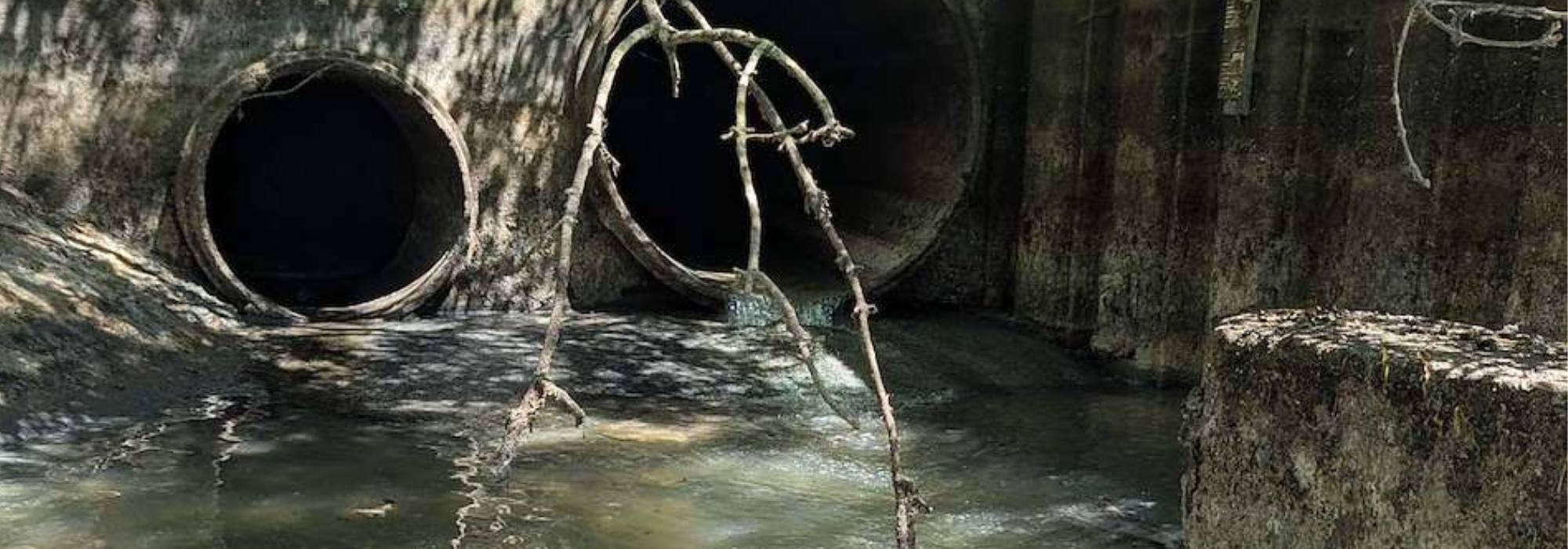
Around 600 million litres of sewage-contaminated water are estimated to enter the River Roding and its tributaries every year via unpermitted and previously unmonitored outfalls, according to a new citizen science study. This is equivalent to around 240 Olympic-sized swimming pools of polluted water.
The research shows that sewer misconnections and faulty drainage infrastructure are major sources of pollution, leading to unpermitted sewage discharges directly into the river from surface water drainage outfalls. The findings reveal persistent discharges during dry weather, when there is less rainfall to dilute pollution. This raises serious concerns for the health of the Roding, its tributaries, its wildlife and the communities who use and enjoy the river.
The study, led by environmental charities Thames21 and the River Roding Trust, used an innovative targeted monitoring approach to identify the biggest sources of sewage pollution in the Lower Roding. More than 70 outfalls across the Lower Roding and its tributaries were monitored over six months using citizen science water quality methods. By combining these methods with measurements of flow, researchers were able to create a “league table” of the most polluting outfalls.
The charities are calling on Thames Water, the Environment Agency and Redbridge Council to urgently accelerate investigations and rectify these chronic sources of pollution.
Sewer misconnections occur at a property level when wastewater from toilets, bathrooms or kitchens is incorrectly connected to a surface water drain. Faulty infrastructure similarly can lead to pollution when pipes carrying sewage are allowed to leak or spill into adjacent pipes draining water directly to rivers. Thames21 believes that the scale of these sources of sewage pollution in the Lower Roding is unprecedented when compared to other areas of London. This is likely due to the rivers in this area being historically culverted or inaccessible to the public.
The River Roding rises in rural Essex before flowing through East London and joining the River Thames at Barking Creek. The Lower Roding catchment encompasses the river and its tributaries between Chigwell and Barking, supporting the communities who live along its banks and a range of wildlife and habitats.
Cran Brook identified as major pollution hotspot
The report highlights Cran Brook, a tributary of the River Roding, as the single most significant source of sewage pollution identified in the Lower Roding. This pollution is derived from faulty infrastructure and widespread misconnections in areas surrounding the brook, and landfill leachate from a historic landfill site, which also contributes other harmful chemicals.
The charities are calling for Cran Brook to be made a priority for restoration, including urgent repairs to sewage infrastructure and the rectification of misconnections, nature-based solutions such as wetlands that can help reduce pollutants entering the river, and measures to prevent landfill leachate from entering the river.
Beyond the Roding, Thames21 says misconnections and faulty sewage infrastructure are a chronic but largely overlooked source of pollution in urban rivers across the country. The charity is urging Thames Water, the Environment Agency and local authorities to streamline the process of identifying and fixing these issues, and to properly resource the teams doing this work. It is also calling for the government to implement a national strategy on misconnections, including a legal requirement for drainage checks on newly built homes and mandatory checks when a property is sold.
Commenting on the report, Chris Coode, CEO of Thames21, said: “This is a shocking amount of sewage-contaminated water. Six hundred million litres is a staggering figure and a disastrous threat to this precious river and its tributaries. Particularly concerning is the evidence of pollution entering the River Roding and its tributaries during dry weather. This highlights the urgent need for all river stakeholders to tackle misconnections and to identify and address the other sources of pollution entering the catchment.
“Our rivers deserve to be clean and healthy, yet these findings reveal an unacceptable threat to water quality, wildlife and local communities. The Environment Agency, Thames Water and Redbridge Council must take swift action to address the critical issues identified through this citizen science monitoring programme.
“There are, however, reasons for optimism. Evidence from the programme has contributed to improvements at Thames Water’s Winn Valley Pumping Station, demonstrating how citizen science, combined with innovative flow data, can help identify sources of river pollution. Continued collaboration between environmental charities, including Thames21 and the River Roding Trust, councils and water companies will be essential to restore the Roding and its tributaries as safe and healthy waterways for local communities and wildlife.”
Paul Powlesland, founder of the River Roding Trust, said: “The River Roding is now the first river in England where we know the location of all the illegal sewage outfalls and, crucially, can scientifically rank them in order of harm. We now need Thames Water and the Environment Agency to fix the most damaging illegal outfalls as a matter of emergency. We also need the government to carry out a similar survey on every river in England; otherwise how can we fix a problem we do not know the extent of?”
The charities say the findings demonstrate the value of targeted monitoring in identifying pollution that may otherwise go undetected. They are urging the relevant authorities to use this evidence to accelerate investigations, identify the sources of pollution and take action across the catchment.
ENDS
About Thames21
Thames21 is an environmental charity that restores rivers across London and the Thames Basin to tackle the climate and biodiversity crisis, whilst also connecting communities with their local rivers, inspiring them to enjoy and look after them over the long term.
www.thames21.org.uk | Registered Charity No. 1103997
Notes to editors:
* Surface water outfalls are points where water from the drainage network discharges into a watercourse.
- The Lower Roding Water Quality Project was funded by Thames Water and delivered in partnership with the River Roding Trust
- Between May and October 2025, the project monitored 70+ outfalls across the lower Roding and tributaries using citizen science methods, including water sampling, flow estimates, laboratory testing and eDNA analysis. By combining flow data with ammonia concentrations, the project calculated ammonia loading (kg/year) for each outfall, enabling objective ranking of pollution sources by impact.
- To read the full water quality report, click here: Lower Roding Dry Weather Water Quality Report
Media Contact/s
Liz Gyekye
Communications Manager
Manuela Rio Tinto
Communications Officer
Manuela.rio-tinto@thames21.org.uk