Making London a sponge city: Thames21’s collaborative wetlands in action
 Hands up if you’ve found yourself humming Travis’s “Why Does It Always Rain on Me?” during recent downpours – you wouldn’t be alone. This winter, much of the UK has experienced relentless rain, with frequent showers and few extended dry spells. But as spring approaches, nature-based solutions such as wetlands offer a way to work with the weather rather than against it. Acting as natural sponges, wetlands absorb and store excess rainfall, slow runoff, and gradually release water over time – helping to reduce flood peaks and lower the risk of downstream flooding.
As an environmental charity, Thames21 is at the forefront of these efforts. Our mission is to transform London and the Thames Basin into a healthier, more climate-resilient region, with rivers that everyone can enjoy. Over the years, Thames21 has created 12 constructed wetlands that not only prevent pollution from entering rivers but also provide beautiful, accessible green spaces for communities to enjoy.
As climate change, biodiversity loss, and pollution increasingly strain our waterways, heavy rainfall events are becoming more frequent. Green urban spaces that store water are more crucial than ever to protect homes from flooding. Through collaboration with volunteers and partners, Thames21 has implemented wetlands and other nature-based solutions that improve water quality, filter road runoff, prevent pollutants from entering rivers, reduce flood risk, and enhance biodiversity.
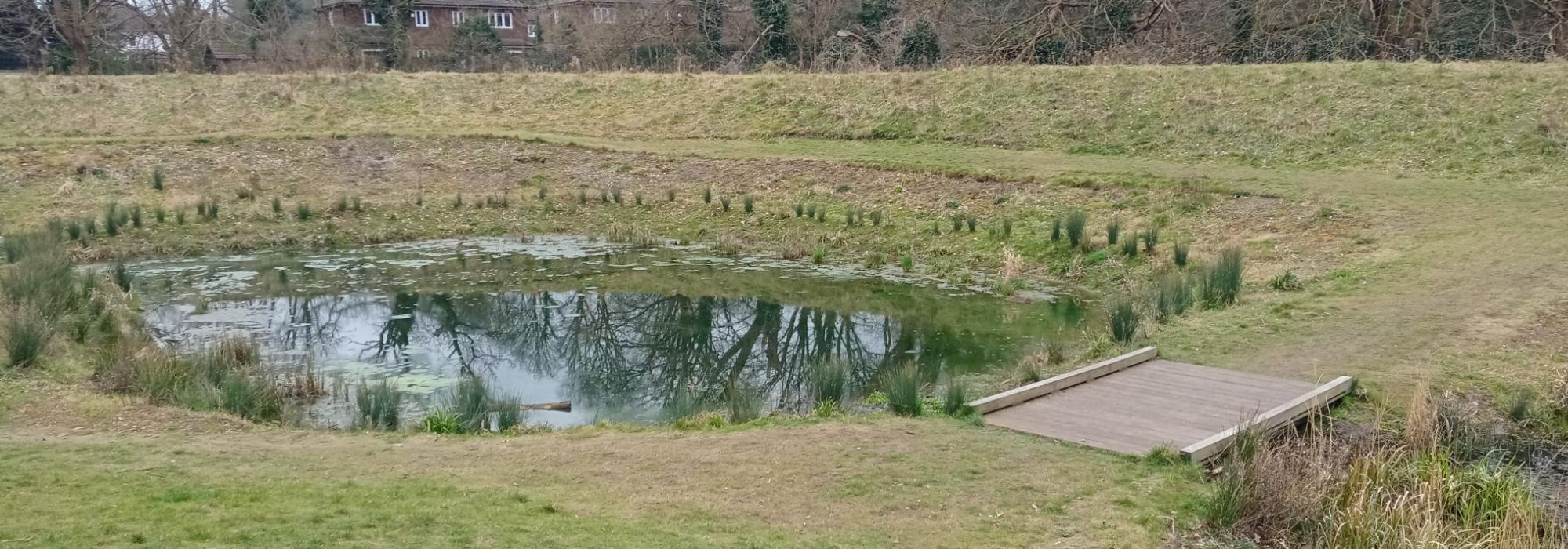
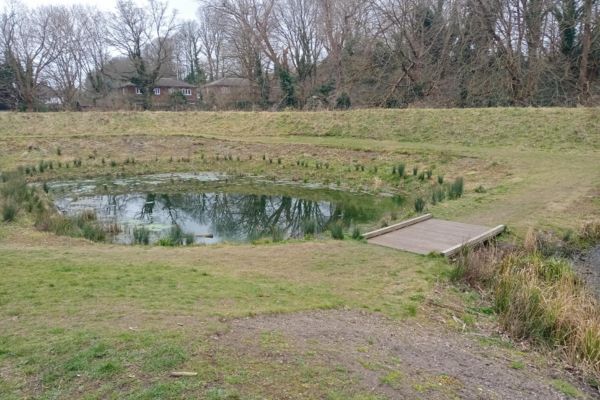
A standout example is our collaborative Chinbrook Meadows Wetlands project, officially opened in 2024. What was once a simple ditch has been transformed into a thriving natural space, now alive with birds, dragonflies, ducks, and frogspawn. Similarly, our collaborative Action for Silk Stream project has created five wetland ponds in Watling Park, North London, that absorb excess water and reduce flood risk, demonstrating how collaborative, nature-based approaches can make a tangible difference for both people and wildlife.
By Liz Gyekye, Communications Manager.