Empower communities to look after their local rivers
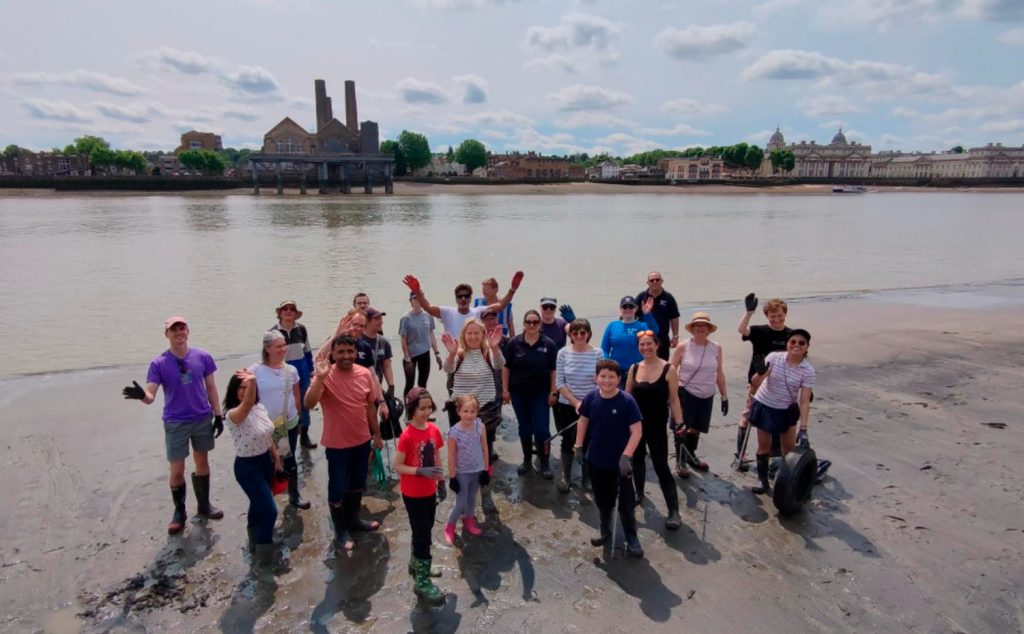
We mobilise thousands of volunteers every year, working along the riverbank to transform neglected rivers into areas that everyone can use and enjoy.
Across London and the wider Thames Basin, many rivers face pressures from pollution, habitat loss and climate change. But just as importantly, we recognise that meaningful restoration must involve people. We want communities to understand and cherish their local river, feel inspired by the solutions available, and actively participate in delivering them.
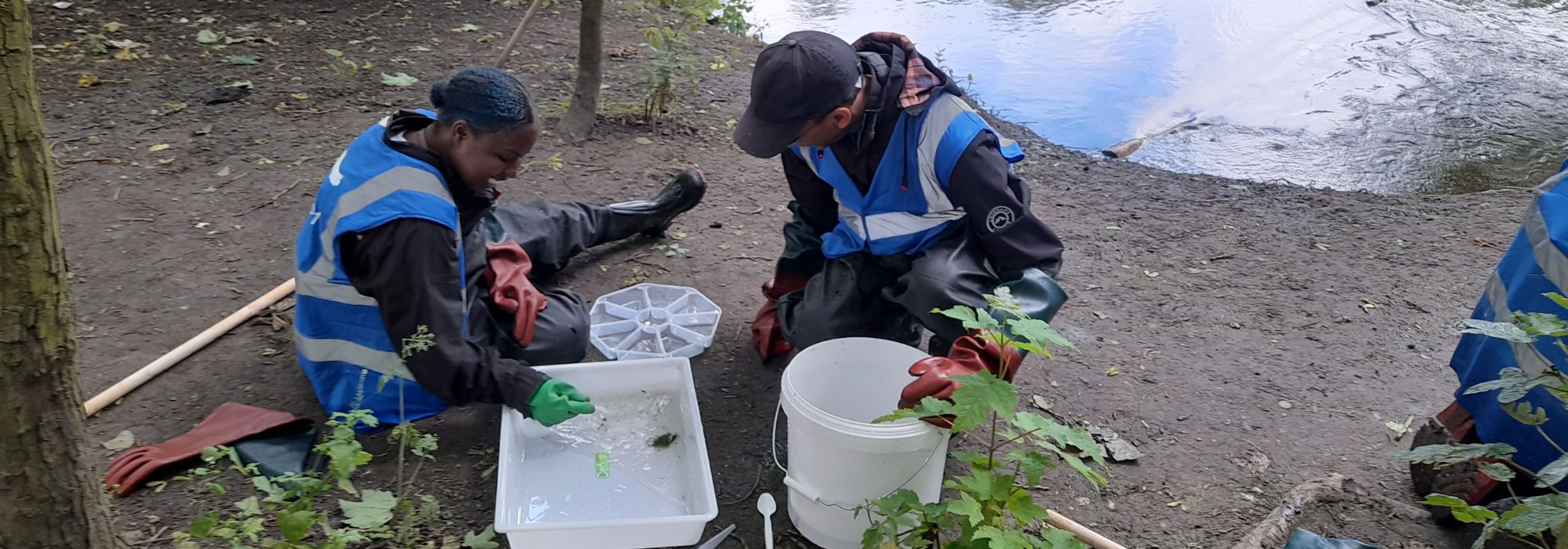
Our engagement work does exactly that. Thames21 engages volunteers by offering accessible, hands-on river restoration activities such as litter picks, invasive species removal and habitat improvement, while also providing training that enables participants to take on ambassador or leadership roles.
Thames21 supports community-led River Action Groups, runs citizen science projects like water quality monitoring and litter surveys, and hosts outreach events that reconnect people with their local waterways. Through structured training, social activities and corporate volunteering opportunities, Thames21 creates inclusive pathways for individuals and groups to actively contribute to improving and protecting rivers across London and the Thames Basin.
Connection to our rivers is strengthened when access to them is easy and welcoming. One of the ways we are working to achieve this is through initiatives across the Thames Basin that improve public access to waterways and reconnect communities with their local green-blue spaces.
Case Studies
Citizen Science Dashboard: A Community Lens on River Health
Empower-communities-to-EMPOWER-Rivers
Empowering communities in east London through nature
Citizen Science Dashboard: A Community Lens on River Health
Introduction
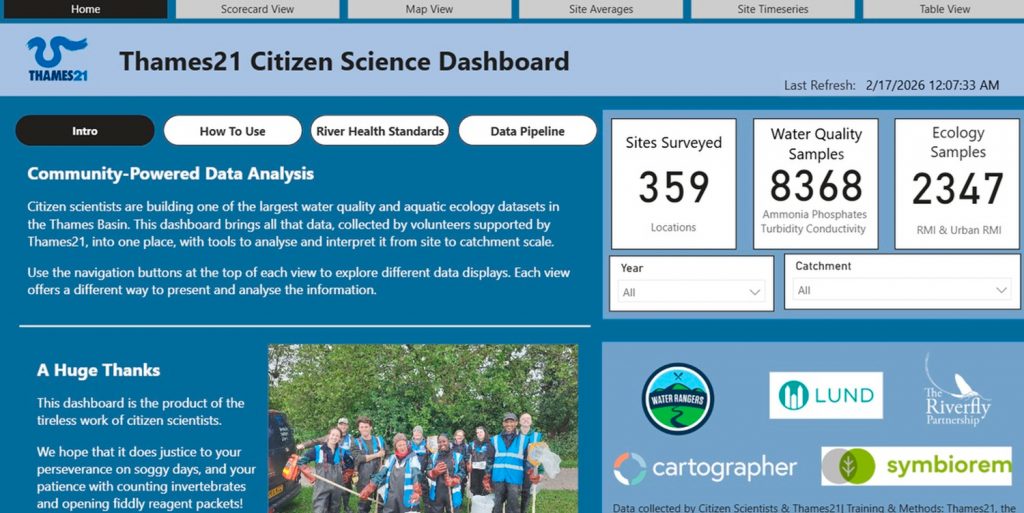
Through innovation and technical expertise, Thames21 has developed an evidence-based Citizen Science Dashboard. This tool harnesses the collective efforts of communities across London and the Thames Basin, transforming citizen-collected monitoring data into meaningful, analysed information. The dashboard provides river health scorecards, highlighting priority pollution issues and giving stakeholders a clear understanding of river conditions. This insight enables the design of effective interventions to create positive environmental change.
The Challenge
Historically, large volumes of water quality and ecological data collected by citizen scientists were underutilised. While communities contributed valuable information on river health, translating raw data into actionable insights was difficult. Stakeholders lacked a centralised, accessible platform to view trends, identify pollution hotspots, and make informed decisions about interventions.
The Solution
In January 2026, Thames21 released the Thames21 Citizen Science Dashboard, providing access to over 7,000 water quality samples and 2,000 riverfly surveys – making it one of the most comprehensive citizen science tools in the UK. The dashboard aggregates data using Application Programming Interfaces (APIs) from open-source platforms such as Water Rangers and the Riverfly Partnership workspace on Cartographer. By analysing and presenting this data in a user-friendly way, the dashboard allows both communities and stakeholders to understand river health, prioritise pollution issues, and design targeted interventions.
Why It Matters
The Thames21 Citizen Science Dashboard transforms citizen-collected data into actionable knowledge. It empowers communities, informs decision-making, and supports collaborative efforts between organisations such as The Rivers Trust and the Catchment Systems Thinking Cooperative (CaSTCo). Ongoing development aims to improve content, refine methods, and explore scaling the dashboard to other catchments and organisations, with potential for a national rollout. Ultimately, this initiative strengthens environmental stewardship and drives measurable improvements in river health.
Empower communities to EMPOWER Rivers
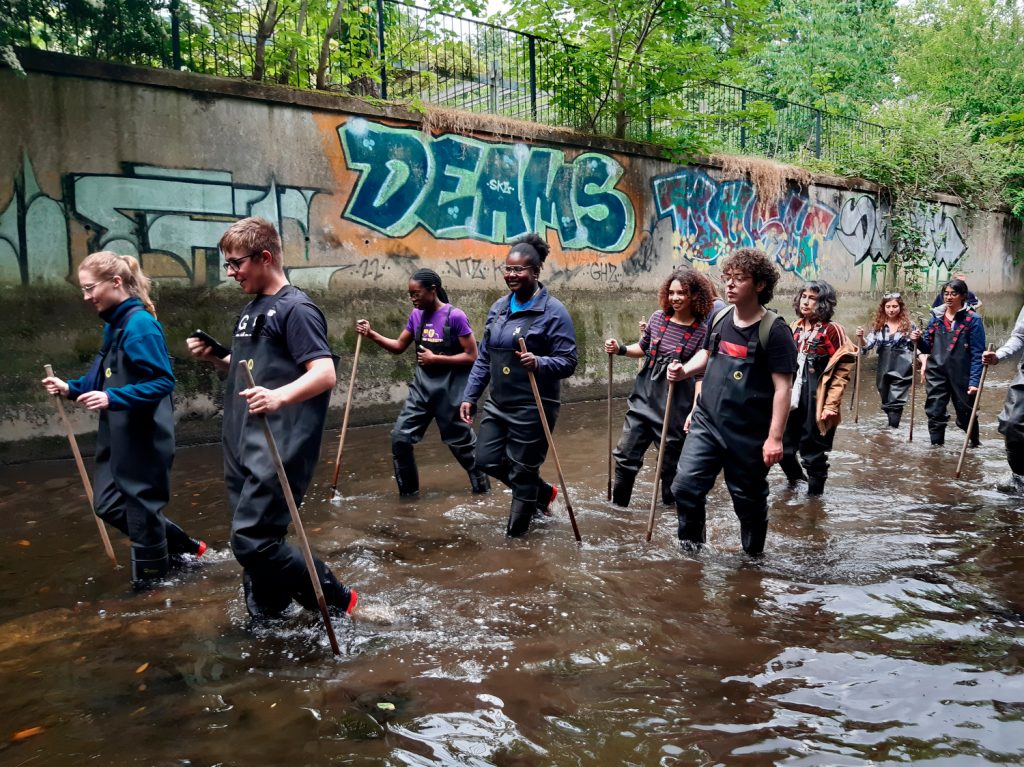
EMPOWER Rivers is a five-year Thames21 programme funded by the Lund Trust, strengthening how communities care for London’s rivers. Through training, small grants, volunteer-led monitoring, and four major restorations, the programme will build local skills, evidence, and influence to drive long-term river health improvements across London.
The Challenge
Many London rivers suffer from poor ecological health, while local communities often lack the skills, confidence, or resources to influence change. Although volunteers are passionate about protecting rivers, opportunities to gather evidence, advocate effectively, and carry out restoration at scale have been limited.
The Work
With £1.75 million from the Lund Trust, Thames21 launched EMPOWER Rivers to unlock volunteer potential. The programme provides training in river monitoring, restoration, and advocacy, alongside small grants for independent community groups. Volunteer-collected data will support wider campaigning, while four major river restorations over five years will bring communities together and showcase collective impact. Collected data will support wider campaigning, while four major river restorations will bring communities together and showcase collective impact.
Why it Matters
EMPOWER Rivers shifts power to communities, enabling people to speak up for their rivers and take practical action. By combining skills, funding, and evidence, the programme strengthens grassroots stewardship, supports climate resilience, and creates lasting momentum for healthier rivers across London and the Thames Basin.
Empowering communities in east London through nature
Thames Connections regenerated riverside communities by starting with people, not plans, asking what the Thames could mean to them. By listening first and working with local grassroots groups, the project widened participation in environmental activity, reduced isolation, built confidence, and turned the river into a shared, welcoming space for wellbeing, connection, and community-led regeneration.
The Challenge
Many people living near the Thames felt disconnected from it. The river space often felt inaccessible, unwelcoming, or “not for people like them,” particularly for disabled people, older residents, and those facing social or economic barriers. The river was present but not part of everyday community life, limiting its potential to support wellbeing and connection.
The Project
Thames21 began without a fixed plan, starting instead with conversations and relationships. By spending time with local groups and coproducing activities alongside them, the river became a place to meet, create, and connect. These partnerships ensured lived experience shaped access, design, and participation. Planning and delivering riverside social and environmental activities together built familiarity, trust, and confidence. Producing activities alongside them, the river became a place to meet, create, and connect.
Why it Matters
Thames Connections shows how connecting people and nature in urban areas can regenerate communities. The project widened participation in environmental action by offering inclusive, creative, and social ways to engage with nature. It strengthened social capital, reduced isolation, and demonstrated that when communities shape their own spaces, rivers can become powerful tools for long-term inclusion, wellbeing, and local ownership.