Water quality data collected by volunteers used to fix sewage pollution
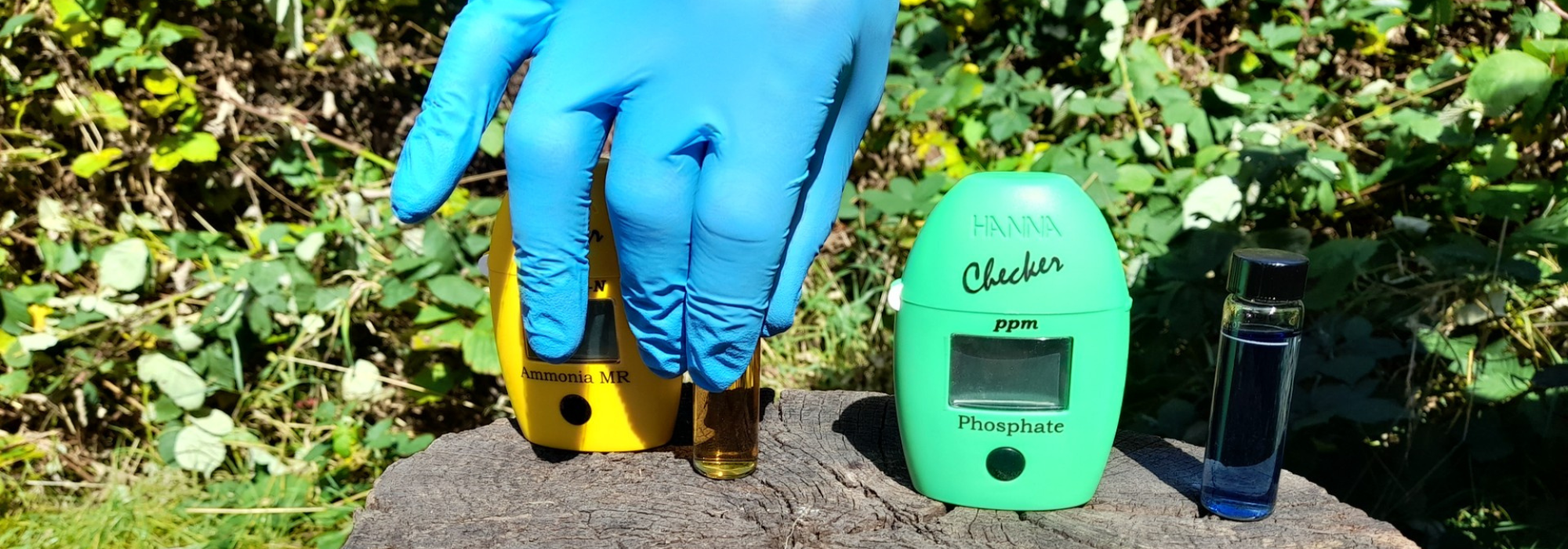
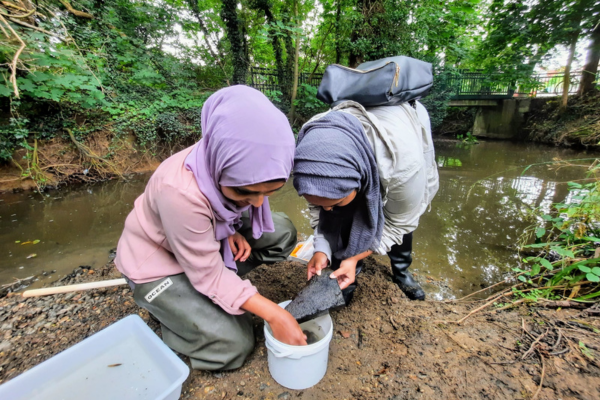
In 2024, volunteers from the River Ching Action Group discovered a massive spike in the concentration of ammonia during their regular water quality testing. They passed the data on to the Environment Agency and Thames Water, and a subsequent investigation identified a broken pipe that was leaking raw sewage into the River Ching, a tributary of the Lea. Thames Water was able to fix the problem, and the River Ching Action Group’s continued water quality monitoring showed that water quality returned to normal levels as a result.
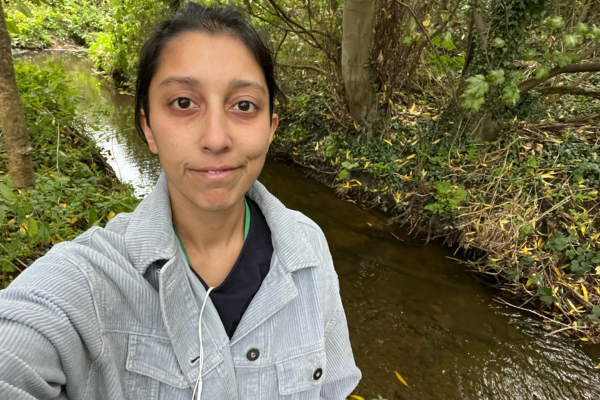
“It was concrete evidence that we were doing something useful for the river” said Natasha Furlong, co-founder of the group. “We could show the problem and then we could see it getting resolved and show the improvement afterwards. I don’t think that would have been caught if we weren’t doing the monitoring. It was a nice feeling!”
Despite Thames Water fixing the sewage leak, water quality in the Ching remains poor. River Ching Action Group has identified two other heavily polluting outfalls, which result in high levels of ammonia and phosphate in the river downstream of them. In response to evidence provided by River Ching Action Group, Thames Water will begin an investigation into these outfalls in 2026. Pollution in the Ching is likely to be partially caused by sewage misconnections, where household appliances, such as toilets, showers and washing machines, are incorrectly plumbed into the surface water drainage network. Instead of being plumbed into the foul water system and sent to a sewage treatment works, wastewater from these appliances is going directly into rivers where it causes chronic ecological damage. Sewage misconnections are a significant problem in urban areas across the UK, like Greater London.
“My main reason for being involved in the river is to improve it for wildlife, to get it back to what I remember it being like as a kid,” said Natasha. “My long term aim would be to have water voles back on the river.”
The work of River Action Ching Action group shows the importance of citizen science data in the battle against sewage pollution. The group’s work is supported by Thames21, a rivers charity that has provided equipment, training and guidance about where to collect data. Thames21 has also created links between the group and key decision-makers like Thames Water and the Environment Agency (EA).
“The EA only has one routine phys-chem sampling point right at the bottom end of the waterbody whereas the Ching Action Group take weekly samples from 16 locations all across the waterbody,” explained Jack Radford from Analysis and Reporting Team at the Environment Agency. “This data acts as a fantastic way of understanding what is going on further up the waterbody, highlighting the water quality pressure points much more clearly. Utilising this data in tandem with the EA data allows us to establish a much more robust water quality monitoring network and it gives us a much broader understanding of the waterbody as a whole and where the issues are.”
River Ching Action Group is part of a growing movement of citizen scientists collecting water quality data on rivers across the UK. In the last two years, in London alone, 161 volunteers have carried out 2,500 surveys to build up a picture of river health across the capital. The success of River Ching Action Group is just one example of the collaborative efforts between citizen scientists, the EA, Thames Water, local councils and NGOs that are leading to improvements in river health.
Thames21 is training and supporting citizen scientists via London-wide project EMPOWER Rivers, funded by Lund Trust. As part of Catchment Systems Thinking Co-operative (CaSTCo), led by the Rivers Trust and United Utilities, Thames21 is continuing to work with partners to ensure that citizen science is integrated into the future of river management at a national scale. One key finding of CaSTCo is the necessity for long-term and sustainable funding for organisations like Thames21 to support citizen science.
“In order to fix our broken rivers, we need to bring together community groups who are dedicated to their local stretch of river, NGOs, the Environment Agency, local government and water companies,” said Philippa Nicholls, Evidence Officer at Thames21, “By working together, we are starting to see real change.”
By Sam Bentley-Toon, EMPOWER Rivers Programme Manager at Thames21