Build a climate resilient London
We help to build more engaged communities and healthier rivers better able to adapt to the impacts of climate change, now and into the future.
Our work today is an investment in the future.
By empowering communities and restoring rivers at scale, Thames21 is helping to create a Thames Basin that is cleaner, greener, and more resilient to climate change. A river system that supports thriving wildlife, protects homes and businesses from flooding, provides water during drought, and offers welcoming spaces for people to connect with nature.
Together, we can ensure our rivers are ready for the challenges ahead – and that the benefits are felt now and for generations to come.
Case Studies
Silk Stream Thrives Through Community Action
Chinbrook Meadows Wetland Restoration
Silk Stream Thrives Through Community Action
Introduction
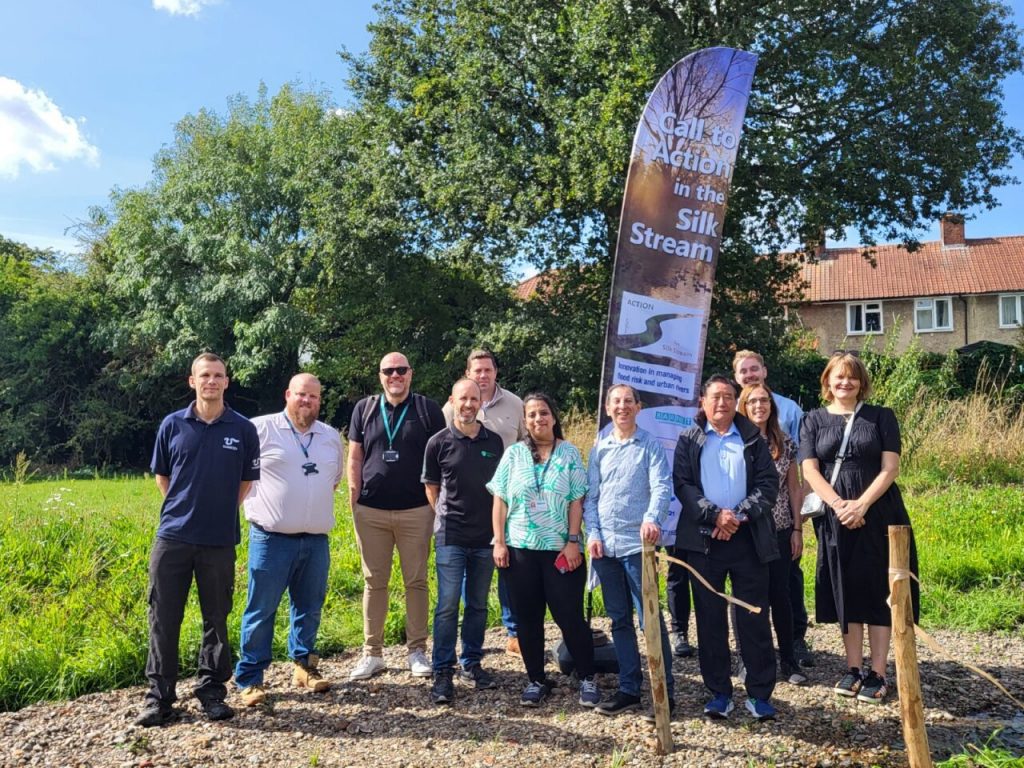
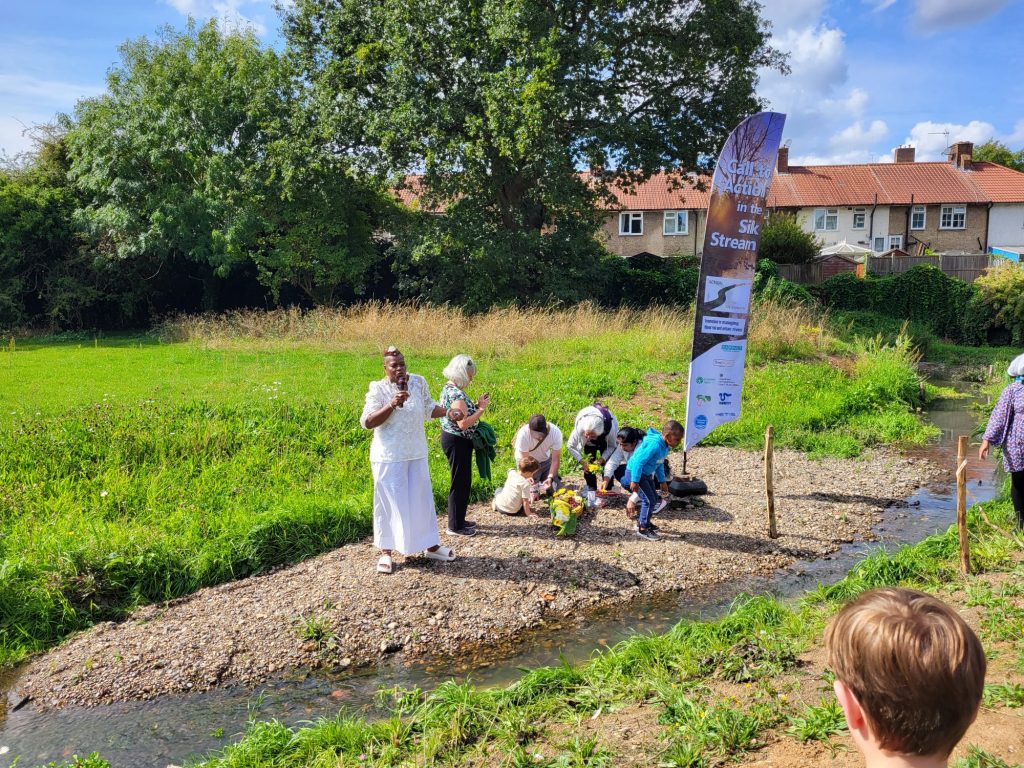
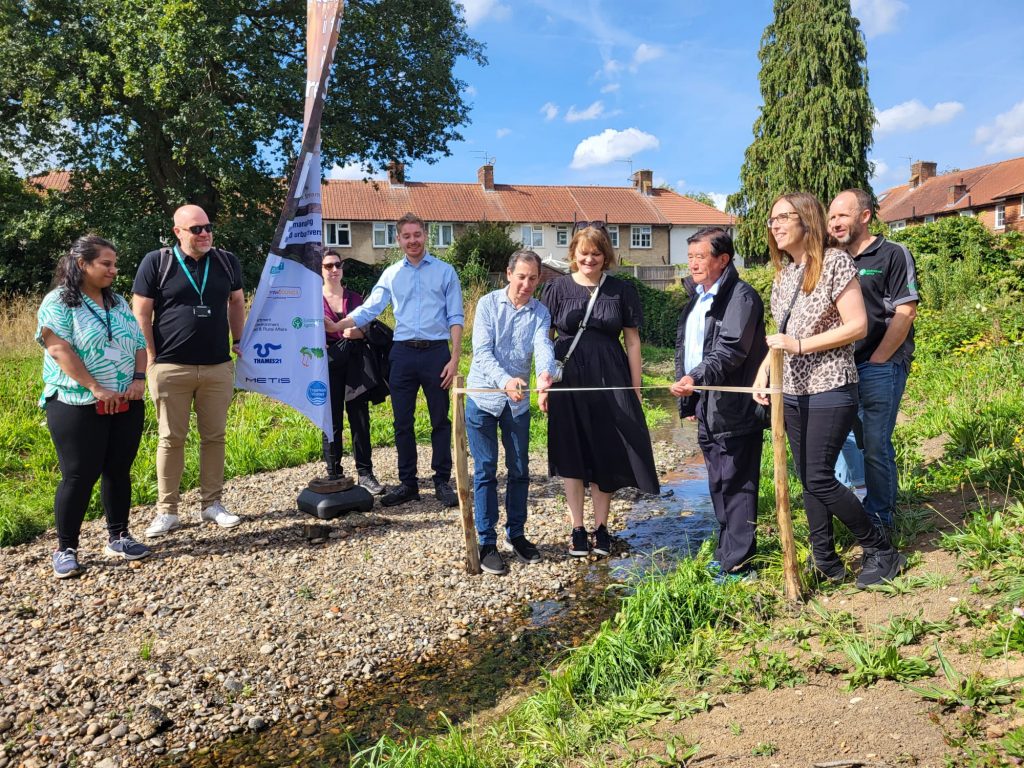
Action for Silk Stream has shown how strong, inclusive community engagement can transform urban climate resilience. Through creative outreach, volunteering, co‑design, and education, the project engaged thousands of people, built local stewardship, supported nature‑based flood schemes, and created a lasting legacy of community ownership across the Silk Stream catchment.
The Challenge
The Silk Stream catchment is a densely urban, culturally diverse area facing significant flood risk, water quality issues, and climate pressures. Engagement needed to work across borough boundaries, overcome low awareness of rivers, reach underrepresented groups, and adapt to technical delays and changing designs – while maintaining trust, participation, and momentum over a long, complex programme.
The Solution
Led by Thames21, the project embedded engagement at every stage of delivery. A dedicated engagement officer coordinated a catchment‑wide programme combining volunteering, citizen science, co‑design workshops, education, creative events, and targeted communications. Partnerships with councils, community groups, schools, faith organisations, and ‘friends groups’ widened reach, while adaptive delivery and strong monitoring ensured learning informed ongoing improvements.
Why It Matters
Action for Silk Stream demonstrates that climate resilience is stronger when communities are actively involved. The project increased awareness, skills, and long‑term stewardship while supporting the successful delivery of blue‑green infrastructure. Its engagement model offers a practical blueprint for future urban flood and nature‑based projects seeking lasting social, environmental, and climate resilience benefits.
Chinbrook Meadows Wetland Restoration
Introduction
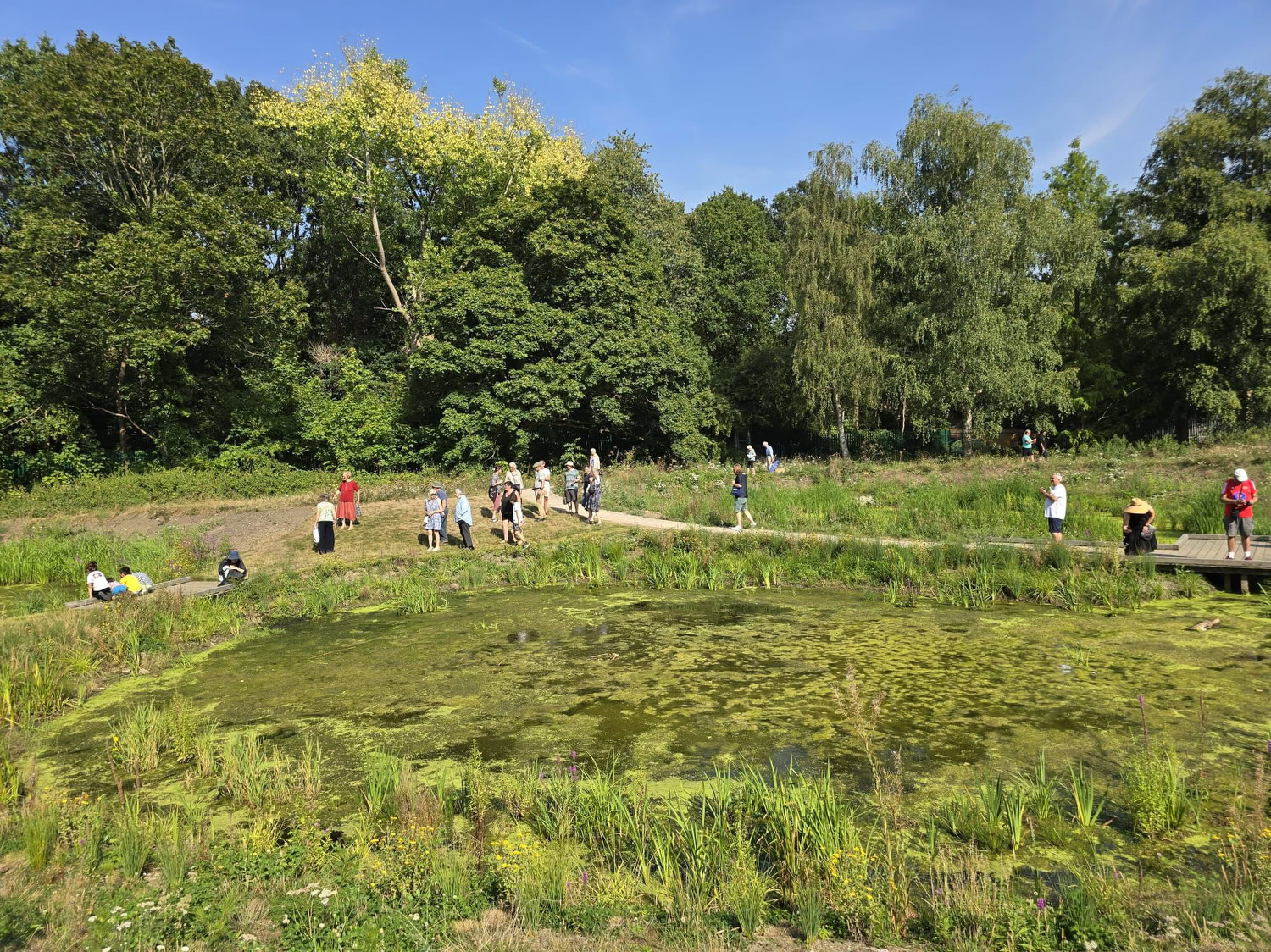
Chinbrook Meadows, located in the London Borough of Lewisham, is a vital green space for the local community. While the park has long provided recreational opportunities, its River Quaggy faced significant environmental pressures from urbanisation. Recent efforts have focused on restoring the river and creating a sustainable, biodiverse habitat for both wildlife and people.
The Challenge
The River Quaggy suffered from poor water quality caused by road runoff and urban pollution. Although the river was restored from concrete channels in 2002 – revitalising plant and animal life – it still faced ongoing challenges. The area needed interventions to:
- Enhance biodiversity and support wildlife
- Reduce the risk of flooding in the surrounding community
- Provide a safe, healthy, and accessible natural space for residents
The Solution
The response to these challenges was a collaborative, community-led approach. Key initiatives included:
- Creation of a New Wetland: Opened in 2025, the wetland introduced natural habitats to support diverse plant and animal species.
- Accessible Engagement: Paths and pond-dipping platforms allow families to experience and interact with nature.
- Pollution Filtration: The wetland filters pollutants from the river, improving water quality and preventing contaminants from flowing downstream.
- Flood Management: Natural water storage in the wetland reduces the risk of local flooding.
This project was led by Thames21 in partnership with volunteers, Lewisham Council, and the Friends of Chinbrook Meadows, demonstrating the power of cross-sector collaboration.
Why It Matters
The Chinbrook Meadows wetland provides multiple benefits:
- Environmental: Supports freshwater biodiversity and helps restore local ecosystems.
- Community: Creates a safe, engaging, and educational natural space for residents.
- Resilience: Reduces flood risk and improves water quality for downstream areas.
This project is a model for urban environmental restoration, showing how community action and partnership can transform a once-polluted river into a thriving natural hub.